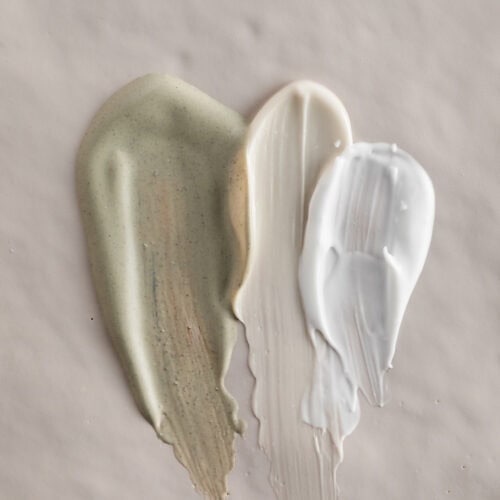
If you’re trying to get to the bottom of the mineral vs. chemical sunscreen debate, I get it – this decision isn’t as simple as it seems. I’ve been down that rabbit hole too. As someone with reactive, sensitive skin, I’ve had to be extra cautious about what I use on my body, especially in the summer months when sunscreen becomes a daily thing.
This is a question I hear from readers all the time: Which sunscreen is safer? Which works better? What’s best if you’re pregnant, acne-prone, or have oily skin?
The truth is, there’s a big difference between the two. And yes, it does matter. A recent study published in JAMA (2019) found that certain chemical sunscreen ingredients—like oxybenzone—can be absorbed into the bloodstream at levels higher than previously thought. That’s why Oxybenzone is now limited to 6% in Canadian sunscreens.
I spent years researching and testing both kinds of sunscreens in my daily SPF routine. I read the science, studied the ingredient labels, and tried dozens of formulas (some broke me out instantly, others became holy grails). You can find some of my favourite clean & non-toxic sunscreen brands in canada here.
This post contains affiliate links, which means I’ll receive a commission if you purchase through my link, at no extra cost to you. All listed prices are subject to change.

Why Sunscreen Is So Important?
Before we compare mineral vs. chemical sunscreen, let’s zoom out: Why do we even need sunscreen in the first place? The short answer? Unprotected sun exposure is one of the leading causes of skin cancer, premature aging, and permanent skin damage. Especially if you live somewhere like Canada or the U.S., where skin cancer rates are alarmingly high. The Canadian Skin Cancer Foundation points out that, in Canada, over 80,000 people are diagnosed with skin cancer every year, and more than 8,000 of those are melanoma—the deadliest kind. In the U.S., the numbers are even worse. Skin cancer is the most common cancer in the country. About one in five Americans will develop it by age 70.
That risk goes up if you spend time outdoors without sun protection. Just one blistering sunburn in childhood or your teens can double your chances of developing melanoma later in life. And it’s not just about cancer. UV damage shows up in other ways, too. Without sunscreen, skin starts aging faster. Wrinkles form earlier. Collagen breaks down. Hyperpigmentation sticks around longer. Even your skin barrier gets weaker, especially if you’re using actives like retinol or exfoliating acids.
Sun exposure causes DNA damage deep in the skin, according to Cancer Research. That’s what leads to mutations, cancer, and premature aging. Both UVA rays (which age the skin) and UVB rays (which burn it) are harmful, and both hit your skin even when it’s cloudy or cold. I used to think sunscreen was only for beach days. Now I wear it every single morning—rain or shine. With my sensitive skin, I’ve had to find formulas that are gentle but still offer strong, broad-spectrum protection.
P.S. Tanning is also out of the question for the same reasons. You can find some amazing non-toxic sunless tanners that are 100% safe and give that natural-looking summer glowy skin.
What’s the Difference Between Mineral and Chemical Sunscreen?
Let’s start this mineral vs. chemical sunscreen debate with the basics. There are two main types of sunscreen: mineral and chemical. They both protect your skin, but they work in very different ways, and each has its pros and cons.
What is Chemical Sunscreen?
Chemical sunscreens use synthetic UV filters like oxybenzone, avobenzone, octocrylene, or homosalate. These ingredients absorb UV rays and convert them into heat, which your skin then releases.
So, unlike mineral sunscreen, which shields you from the sun, chemical sunscreen is like a sponge soaking up the rays before they can burn you.
In most cases, chemical formulas often feel lighter and spread more easily. That’s mostly why people use it as a great under-makeup or on darker skin tones. But they usually need 15–30 minutes to start working after the application.
Here’s where things get interesting: In a 2020 FDA study, researchers found that several chemical sunscreen ingredients, including oxybenzone, were absorbed into the bloodstream after just one use—and remained detectable for days. The health impact of this is still being studied.
Is Chemical Sunscreen Bad for the Environment?
You’ve probably also heard that some of these ingredients are being banned in places like Hawaii due to coral reef damage, especially oxybenzone and octinoxate. Oxybenzone and octinoxate have been shown to harm marine life, especially coral reefs. These ingredients can cause something called coral bleaching, which weakens and kills coral, making it more vulnerable to disease and rising ocean temperatures.
Researchers found that even tiny amounts of oxybenzone—just 62 parts per trillion—can damage coral DNA and deform baby coral.
As a result, Hawaii became the first U.S. state to ban sunscreens containing oxybenzone and octinoxate, starting in 2021. The law aims to protect coral reefs, which are vital to ocean biodiversity and local economies. Other places quickly followed:
- Palau, a Pacific island nation, banned several chemical filters, calling them “reef-toxic.”
- Key West, Florida, passed a similar ban.
- The U.S. Virgin Islands restrict the sale of sunscreens with these ingredients, too.
While these bans don’t apply to all chemical sunscreens, they’ve helped raise awareness about the environmental impact of certain ingredients.
What is Mineral Sunscreen?
Mineral sunscreen (also called physical sunscreen) uses natural UV filters like zinc oxide or titanium dioxide. These ingredients sit on top of your skin and physically block or scatter UV rays, like a mirror or shield.
Think of it like holding an umbrella over your skin. It reflects the sun away before it can cause damage. This type of sunscreen starts working immediately after you apply it. No wait time needed. It’s also gentle. According to a 2023 study on Sunscreens and Photoprotection, zinc oxide is the least irritating sunscreen ingredient, making mineral sunscreens ideal for sensitive or acne-prone skin.
You’ll usually find these labeled as:
- Non-nano zinc oxide
- Broad-spectrum mineral sunscreen
- Reef-safe sunscreen
Is Mineral Sunscreen eco-friendly?
Yes, mineral sunscreens are eco-friendly! While studies have shown that chemical UV filters like oxybenzone can damage coral DNA, disrupt the growth of baby coral, and increase coral bleaching, mineral sunscreens, especially those using non-nano zinc oxide, are not linked to these effects.
Mineral filters don’t build up in marine organisms, unlike some chemical filters that can enter the food chain. This matters not just for coral, but for fish, shellfish, and the entire reef ecosystem.
That’s why they’re often labeled as “reef-safe” or “reef-friendly.”
What’s the Deal with Nanoparticles?
There is one thing to watch: nano-sized zinc (TiO₂ ) or titanium particles.
When mineral filters are ground into ultra-fine particles to improve texture and reduce white cast, they can wash off into the ocean more easily. Some research suggests that nano zinc oxide could still have a mild effect on marine life, but far less than chemical filters.
The real concern is inhalation, especially with sprays or loose powders. Inhaled titanium dioxide dust has been classified as a possible carcinogen by the International Agency for Research on Cancer (IARC), but this doesn’t apply to sunscreen lotions.
To stay on the safe side, look for:
- Non-nano zinc oxide
- “Reef-safe certified” (if third-party verified)
- Products that avoid microplastics and other marine pollutants

Which Type Of Sunscreen Is Better For Sensitive Skin?
When it comes to sunscreen, one size doesn’t fit all. Your skin type—whether it’s sensitive, acne-prone, dry, oily, or deeper-toned—should guide your choice.
Mineral Sunscreen: Best for Sensitive, Acne-Prone, or Reactive Skin
Mineral sunscreens, made with zinc oxide or titanium dioxide, have very gentle and skin-soothing properties. They don’t absorb into the skin; instead, they sit on the surface and reflect UV rays. This physical barrier is what makes them a favourite among dermatologists for people with sensitive or reactive skin.
In fact, a 2019 study published in the International Journal of Women’s Dermatology found that mineral-based filters caused fewer allergic reactions compared to common chemical ingredients. Zinc oxide, in particular, has anti-inflammatory properties, which is why it’s often used in diaper rash creams and calamine lotion.
Mineral sunscreens are ideal if you have:
- Sensitive skin
- Rosacea or eczema
- Acne-prone skin or breakouts triggered by skincare products
They’re also low-risk for allergies, fragrance-free in many formulations, and often labeled as non-comedogenic, meaning they won’t clog your pores.
That said, mineral sunscreens can sometimes leave a white cast, especially on medium to dark skin tones. Many newer formulations are tinted or micronized to reduce this, but it’s still something to test before committing.
Chemical Sunscreen: Lightweight Feel, Better for Deep Skin Tones
Chemical sunscreens use ingredients like avobenzone, octinoxate, oxybenzone, and others that absorb UV rays and convert them to heat. Because they blend into the skin without leaving a residue, they tend to feel lighter, more “elegant”, and more compatible with makeup.
They’re especially popular among people with:
- Darker skin tones who want to avoid a white cast
- Oily or combination skin, thanks to their light texture
- Active lifestyles, since many are sweat- and water-resistant
Cream, Spray, or Stick? Choose What Suits Your Skin
The format you choose also plays a role in how your skin responds and how effective your coverage is. There is an array of options on the market!
Creams or lotions are your best bet for full, even coverage. Especially on dry or sensitive skin. They’re also less likely to include alcohol or propellants that can irritate.
Sprays are convenient and quick, great for kids and touch-ups on the body. But they often contain drying alcohols and can be easily overapplied. Worse, there’s some concern about inhalation risks, especially with titanium dioxide in mineral sprays.
Sticks are handy for reapplying to the face, ears, and hands throughout the day. However, they may not spread evenly over large areas unless followed by gentle blending with fingers.
Here’s a quick overview:
| Format | Pros | Cons |
| Creams/Lotions | Full coverage, hydrating, great for sensitive skin | Can feel heavy or greasy if poorly formulated |
| Sprays | Fast, easy, good for body and kids | May contain alcohol, risk of inhalation, uneven coverage |
| Sticks | Mess-free, portable, easy touch-ups | Hard to spread evenly, may drag on dry skin |
What Does Canada Say About Sunscreen Safety?
If you live in Canada, your sunscreen is regulated by Health Canada, and that’s a good thing. Health Canada has set specific limits on chemical filters to help reduce potential risks:
- Oxybenzone (benzophenone-3): Limited to 6% in Canadian sunscreens (compared to 10% in the U.S.). This is due to hormone-disrupting concerns and environmental impact, including coral reef damage.
- Homosalate: Also capped due to potential hormonal activity.
- Avobenzone, octinoxate, octocrylene: Allowed but closely monitored.
You won’t find newer chemical filters like Tinosorb S, Tinosorb M, or Uvinul A Plus here yet—they’re used in Europe and Asia but haven’t been approved by Health Canada.
Zinc oxide and titanium dioxide—the main ingredients in mineral sunscreens—are fully approved by Health Canada. They’re generally recognized as safe and effective for all ages and skin types.
That’s why many Canadian-made non-toxic sunscreens use non-nano zinc oxide as their base. It’s a simple, broad-spectrum option that doesn’t come with the hormonal or environmental baggage of some chemical filters.
Unlike the EU, Canada doesn’t ban fragrance in sunscreens, but Health Canada does flag certain allergens and irritants in its Cosmetic Ingredient Hotlist.
If you have sensitive skin, it’s best to avoid:
- Synthetic fragrance/parfum
- Methylisothiazolinone (MI)
- Parabens (though they’re still legal, many clean skincare brands avoid them)
Look for labels that say “fragrance-free,” “hypoallergenic,” or “dermatologist tested.”
What About Babies and Kids?
Health Canada recommends mineral-based sunscreens for babies under 6 months only when necessary and only on small areas (like the face or back of hands). For older babies and children, zinc oxide and titanium dioxide are preferred for their safety and low absorption risk.

Which Sunscreen Is Better: Mineral or Chemical?
The truth is, there’s no one-size-fits-all answer. Both mineral and chemical sunscreens protect your skin from harmful UV rays, but they do it in different ways, and each comes with its own pros and cons.
Mineral sunscreens are generally the safest, most natural choice. They’re ideal if you have sensitive, acne-prone, or reactive skin, or if you want a reef-friendly, non-toxic option. Backed by strong scientific evidence, mineral filters don’t absorb into your bloodstream, have a low allergy risk, and offer broad, immediate protection. The main downside is the possible white cast, though many modern formulas minimize this.
Chemical sunscreens tend to feel lighter and blend seamlessly into the skin, making them popular for daily wear and darker skin tones. However, some chemical filters have raised concerns around absorption, hormone disruption, and environmental impact. They may irritate sensitive skin and are more tightly regulated in places like Canada.
If your priority is safety, sensitivity, and eco-friendliness, mineral sunscreen wins. If you prefer a lightweight feel and no white residue, and you tolerate chemical ingredients well, then a clean, fragrance-free chemical sunscreen can work.
Either way, the most important step is to wear sunscreen consistently, no matter which type you choose. Broad-spectrum protection, proper application, and regular reapplication are the keys to healthy skin and long-term sun safety.
| Feature | Mineral Sunscreen | Chemical Sunscreen |
| Active Ingredients | Zinc oxide, titanium dioxide | Oxybenzone, avobenzone, octinoxate, etc. |
| How it works | Reflects/scatters UV (like an umbrella) | Absorbs UV, turns it into heat (like a sponge) |
| Starts working | Immediately | After 15–30 mins |
| Skin sensitivity | Gentle, ideal for sensitive skin | May irritate or sting |
| Reef safety | Generally reef-safe | Often not reef-safe (some banned in Hawaii) |
| White cast | May leave one (but tinted formulas help) | Typically sheer and invisible on skin |
My Favorite Mineral Sunscreen Brands
ATTITUDE Mineral Sunscreens
This is hands-down my top pick. ATTITUDE’s mineral sunscreen line is specially formulated for sensitive skin, and it shows. The texture is smooth and lightweight, never greasy or chalky. It uses non-nano zinc oxide, which sits on top of the skin to physically block UVA and UVB rays—no harsh chemicals soaking into your bloodstream. It’s also EWG VERIFIED™, which means you can trust the ingredients are clean and safe.
What I love most is that it doesn’t just protect—it nourishes. The formula is hydrating, completely unscented, and packed with soothing ingredients that don’t clog pores or trigger irritation. It’s vegan, cruelty-free, and made in Canada. Big bonus: ATTITUDE also offers a zero-waste stick version, which is perfect for travel and on-the-go reapplication. It glides on easily, no mess, no fuss.
SUNLY Natural Sunscreen (for Kids)
If you’re a parent, you know how hard it is to find a clean, effective sunscreen that your kids don’t hate wearing. SUNLY’s natural sunscreen is my go-to for outdoor play. It’s gentle, fragrance-free, and rubs in surprisingly well for a zinc-based formula. It doesn’t sting if it gets near the eyes, and it holds up during water play or sweaty afternoons. I’ve used it on my little ones all summer long, with zero complaints and zero sunburns.
ThinkSport Organic Sunscreen
This one’s another favorite I keep coming back to—especially on full-sun days when I need long-lasting, water-resistant protection. ThinkSport has been rated “1” on EWG’s Skin Deep list since 2010, and for good reason. It’s a vegan, mineral-based sunscreen that uses 20% non-nano zinc oxide to block both UVA and UVB rays.
The texture is smooth and non-oily. It doesn’t leave that chalky white cast like so many others do. I use it on both face and body, and it holds up really well, even in water, with up to 80 minutes of water resistance. It’s BPA-free, non-aerosol, biodegradable, and safe for reefs, too. Plus, it’s dermatologist-tested and gentle enough for all skin types.
I love it because it checks every box: organic, reef-safe, EWG-verified, and actually feels good on my skin. At around $21.95, it’s also a solid value for the level of clean protection you’re getting.
How to Choose the Right Sunscreen for You
SPF & Broad-Spectrum
- Always choose a broad-spectrum sunscreen that protects against both UVA and UVB rays.
- Look for SPF 30 or higher. SPF 30 blocks about 97% of UVB rays.
- Reapply every two hours, or more often if you’re swimming or sweating.
No sunscreen is “set it and forget it.” Regular reapplication is key to staying protected.
Choose Based on Your Skin Type & Lifestyle
- Sensitive or acne-prone skin? Mineral sunscreens with zinc oxide are gentle and non-comedogenic.
- Oily or combination skin? Lightweight chemical formulas or gel-based mineral sunscreens can feel less greasy.
- Darker skin tones? Chemical sunscreens often blend in better with no white cast, but tinted mineral sunscreens are a great option too.
- Active outdoors? Look for water- and sweat-resistant formulas, whether mineral or chemical.
Choose the Right Format
- Creams and lotions give the most thorough coverage—great for face and dry skin.
- Sprays are convenient for body use but can be tricky to apply evenly. Avoid inhaling sprays and don’t rely solely on them.
- Sticks are perfect for quick touch-ups on lips, ears, and around the eyes.
- Don’t forget lip protection—use an organic lip balm with SPF.
Mini or travel-sized sunscreens are handy for on-the-go reapplications.
How to Apply Mineral Sunscreen Without the White Cast
If you worry about the telltale white residue:
- Try tinted mineral sunscreens designed to blend seamlessly into all skin tones.
- Use a rub-in technique—warm a small amount between your fingers, then gently pat and smooth over your face.
- Applying a light moisturizer or buffer cream before sunscreen can help it blend better.
- Some brands micronize their zinc oxide for a sheer finish—look for those labeled “non-nano” and “sheer.”

FAQs About Mineral and Chemical Sunscreen Use
Do mineral sunscreens leave a white cast on dark skin?
Mineral sunscreens can leave a white or chalky cast because zinc oxide and titanium dioxide reflect light. However, many brands now offer tinted mineral sunscreens or micronized (non-nano) formulas that blend well on darker skin tones. Applying mineral sunscreen in thin layers and using proper rubbing techniques also helps reduce the white cast. So, it’s not a given—it depends on the formula and application.
Is chemical sunscreen harmful or hormonal?
Some chemical sunscreen ingredients, like oxybenzone, have been linked to potential hormone disruption in lab studies. However, current evidence on harm to humans is limited and inconclusive, and regulatory agencies generally consider chemical sunscreens safe when used as directed. That said, concerns have led some to prefer mineral options, especially for sensitive groups. More research is ongoing, so cautious consumers may choose mineral sunscreens to avoid potential risks.
Can i use mineral sunscreen for sensitive/rosacea skin?
Mineral sunscreens are usually the best choice for sensitive or rosacea-prone skin. Because they sit on the skin’s surface and don’t absorb, they rarely cause irritation or allergic reactions. Zinc oxide also has mild anti-inflammatory properties, which can soothe redness. Look for fragrance-free, hypoallergenic mineral formulas for the gentlest protection.
Is chemical sunscreen safe for pregnancy/breastfeeding?
Many dermatologists recommend mineral sunscreens during pregnancy and breastfeeding because they’re less likely to be absorbed systemically. Some chemical filters have limited safety data in pregnancy, and ingredients like oxybenzone raise concerns due to potential hormone effects. If using chemical sunscreen, choose products without harmful ingredients and consult your healthcare provider. Mineral sunscreens with zinc oxide or titanium dioxide remain the safest bet.
Reef-safe mineral sunscreen vs chemical filters?
Mineral sunscreens with non-nano zinc oxide or titanium dioxide are considered reef-safe because they don’t harm coral reefs. Many chemical filters, especially oxybenzone and octinoxate, have been shown to cause coral bleaching and damage marine ecosystems. Several places, including Hawaii, have banned harmful chemical sunscreens to protect reefs. Choosing reef-safe mineral sunscreens helps protect both your skin and the environment.
Does sunscreen expire? How long is it good for?
Yes, sunscreen does expire. Most sunscreens have a shelf life of about three years from the manufacture date, but check the product’s expiration date or PAO (period after opening) symbol. After expiration, the active ingredients may degrade and become less effective. Store sunscreen in a cool, dry place to preserve potency.
How often should I reapply sunscreen?
You should reapply sunscreen every two hours during sun exposure. Reapply immediately after swimming, sweating, or towel-drying. Even water-resistant sunscreens lose effectiveness over time, so consistent reapplication is crucial for protection.
Can I use sunscreen every day on my face?
Yes, daily sunscreen use on the face is highly recommended by dermatologists. UV damage accumulates over time and contributes to premature aging and skin cancer risk. Use a broad-spectrum sunscreen with at least SPF 30 every day—even when it’s cloudy or you’re indoors near windows.
Does sunscreen cause acne or breakouts?
Sunscreen can cause breakouts if it contains comedogenic (pore-clogging) ingredients or fragrances. Many sunscreens today are formulated as non-comedogenic and suitable for acne-prone skin. Mineral sunscreens are often better tolerated by sensitive or acne-prone skin types. Patch testing a new product can help avoid irritation.
Is sunscreen bad for the environment or coral reefs?
Some chemical sunscreens contain ingredients like oxybenzone and octinoxate that harm coral reefs and marine life. These chemicals contribute to coral bleaching and ecosystem disruption. Mineral sunscreens with non-nano zinc oxide or titanium dioxide are generally considered environmentally safer. Choosing reef-safe sunscreens helps reduce environmental impact.
What does broad-spectrum mean on sunscreen?
Broad-spectrum sunscreen protects against both UVA rays (which cause aging and long-term skin damage) and UVB rays (which cause sunburn). Both types of UV rays contribute to skin cancer risk, so broad-spectrum protection is essential for comprehensive sun safety.
Is it okay to wear makeup with SPF instead of sunscreen?
Makeup with SPF can provide some protection, but it is usually not enough on its own. Most people don’t apply enough makeup or reapply it frequently, which limits its effectiveness. It’s better to use a dedicated, broad-spectrum sunscreen underneath makeup for full protection.
Does sunscreen prevent skin aging?
Yes, regular use of sunscreen significantly helps prevent premature skin aging caused by UV exposure, such as wrinkles, fine lines, and sunspots. UVA rays penetrate deeper into the skin and contribute most to aging, so broad-spectrum protection is key. Sunscreen is one of the most effective anti-aging skincare steps.
What is the safest sunscreen for pregnant women?
The safest sunscreens for pregnancy are mineral-based formulas containing zinc oxide and titanium dioxide. These ingredients are not absorbed systemically and have an excellent safety record. Avoid chemical filters like oxybenzone and other potentially hormone-disrupting ingredients. Always check labels for fragrance and irritants, and consult your doctor if unsure.
This Was My Mineral Vs. Chemical Sunscreen Guide
Both mineral and chemical sunscreens do the same basic job—protect your skin from the sun. But how they do it, and what they’re made of, couldn’t be more different. Chemical sunscreens work by absorbing UV rays and converting them into heat. They tend to be lightweight and invisible on the skin, which is why they’re often found in conventional skincare and makeup. But many of them contain ingredients like oxybenzone and avobenzone, which have been linked to hormone disruption, allergic reactions, and coral reef damage.
If you have sensitive skin like I do, chemical formulas can cause stinging, redness, or breakouts, especially around the eyes. Mineral sunscreens, on the other hand, sit on top of the skin and physically block UV rays using natural minerals like zinc oxide or titanium dioxide. They start working immediately, don’t break down in sunlight, and are much gentler on reactive skin. They’re also safer for children, pregnant women, and the environment. The only real downside? Some can leave a white cast or feel a bit thicker, but modern formulas (like the ones I use) have come a long way. So what’s the best choice?
For me—and for anyone trying to live a low-tox, skin-friendly lifestyle—mineral sunscreen is hands-down the winner. It’s safe, effective, and supports both your health and the planet. And honestly, once you find the right formula, you’ll never look back.